

Let's get straight to the point: you need to ship a car from Michigan to California, and the first question on your mind is, "How much is this going to cost me?" For a standard sedan on an open carrier, you're looking at a typical range of $1,150 to $1,400 in 2026. This gives you a solid baseline for budgeting your move.
But as with any cross-country journey, the final price tag isn't just one flat number. The specifics of your transport will determine the final cost, whether you're a snowbird heading west for the winter, a military family relocating, or a business moving fleet vehicles.
Table of Contents
- How Much It Really Costs to Ship Your Car From Michigan to California
- Choosing Your Transport: Open vs. Enclosed Carriers
- How Long Does the Michigan to California Journey Take
- Getting Your Vehicle Ready for Its Cross-Country Trip
- Smart Ways to Save on Your Car Shipment
- Common Questions About Shipping a Car to California
How Much It Really Costs to Ship Your Car From Michigan to California
The trip from Michigan to California covers some serious ground—roughly 2,300 miles, connecting cities like Detroit and Grand Rapids with major hubs like Los Angeles and San Francisco. Because every shipment is different, the price gets tailored to the specifics of your vehicle and your needs. This holds true for auto transport across the United States, whether you're shipping to a neighboring state or across the country.
A few key things will move the needle on your final quote:
- Vehicle Size and Type: A standard sedan is our starting point. If you’re shipping a larger SUV, a pickup truck, or a minivan, expect the cost to be higher. It simply comes down to the space and weight it takes up on the carrier.
- Transport Method: You have two main choices here. Open transport is the most common and cost-effective option. For classic cars, luxury vehicles, or any car that needs extra protection from the elements, enclosed transport is the way to go, though it comes at a premium.
- Time of Year: Like airline tickets, car shipping has peak seasons. Summer moves and holidays are in high demand, which can drive prices up. Shipping during the off-season, if your schedule allows, can often lead to some savings.
Here’s a quick look at what you can expect for some common routes. Keep in mind these are 2026 estimates for a standard sedan on an open carrier and can fluctuate based on the factors we just discussed.
Estimated 2026 Shipping Costs Michigan to California
| Route | Approximate Distance | Estimated Cost (Open Transport) |
|---|---|---|
| Detroit, MI to Los Angeles, CA | 2,280 miles | $1,200 - $1,450 |
| Grand Rapids, MI to San Francisco, CA | 2,350 miles | $1,250 - $1,500 |
| Ann Arbor, MI to San Diego, CA | 2,300 miles | $1,200 - $1,450 |
These numbers give you a reliable snapshot of the market, helping you plan your budget more effectively. With National Car Transport, you're choosing a provider with over 25+ years of experience. We're proud to offer transparent, flat-rate pricing, backed by an A+ BBB rating.
Not one vehicle transport is alike and having an agent to serve and guide you can make the process simple and quick. At National Car Transport, our bilingual (English/Spanish) agents, each with over 20 years in auto transport logistics, are based here in the USA and ready to provide a precise quote and exceptional service. This is what we do best at a great value, whether you're shipping across the 48 states or to Puerto Rico.
Choosing Your Transport: Open vs. Enclosed Carriers
One of the first big decisions you'll face when shipping a car from Michigan to California is whether to use an open or an enclosed carrier. Both are safe and reliable ways to get your vehicle across the country, but they cater to different needs, priorities, and budgets. The right choice really comes down to your specific vehicle and what level of protection you're comfortable with.
Open transport is what most people picture when they think of car shipping—those double-decker carriers you see on the highway. It’s the industry standard for a reason. This is hands-down the most popular and budget-friendly option for moving daily drivers, family SUVs, and company trucks for individuals, dealerships, and businesses. Because these carriers move more cars at once, they run more frequently, often resulting in quicker pickup windows.
A Closer Look at Open vs. Enclosed
So, when does it make sense to upgrade? Enclosed transport is essentially a "white-glove" service. Your vehicle travels inside a fully-covered trailer with solid walls and a roof, completely shielded from weather, rock chips, and road grime.
We almost always recommend enclosed shipping for:
- Classic and antique cars where preserving original paint and condition is paramount.
- Luxury and exotic vehicles with high-value finishes that you want to keep pristine.
- Race cars or custom-modified vehicles that need specialized handling and total protection from the elements.
While enclosed offers the ultimate peace of mind, don't discount open transport. It's a perfectly safe and dependable choice for the vast majority of moves, including those for military families, college students, and snowbirds.
The infographic below breaks down how the type of transport and your vehicle's size are two of the biggest factors that will influence your final quote.
As you can see, enclosed transport comes at a premium, and bigger vehicles will always cost more to ship, regardless of which method you choose.
The Michigan-to-California lane is a busy one, and pricing reflects this fundamental choice. For this 2,300+ mile journey, an open carrier is the most economical route, typically running between $1,150 and $1,400. Stepping up to enclosed transport costs more, but it’s a price justified by the complete security it provides for high-value vehicles. You can find more real-world examples of pricing on Flix Auto Transport's blog.
No matter which option you choose, every single carrier in the National Car Transport network of 25,000+ vetted carriers is fully licensed and insured. With our A+ BBB rating and 25+ years of experience, we make sure your vehicle is in safe hands, whether it's a daily driver or a priceless classic.
How Long Does the Michigan to California Journey Take
“So, when will my car actually get there?” It’s one of the first questions we get, and it’s a good one. To give you a real answer, we need to look at more than just the driving time. The entire process for shipping a car from Michigan to California breaks down into a few key parts: finding your driver, scheduling the pickup, and the actual transit.
Once you book your transport, our first job is to assign your car to a trusted carrier. Tapping into our network of over 25,000+ vetted carriers means we usually have a truck lined up within just a few days. From there, you'll get a pickup window—typically a 1-to-3-day timeframe when the driver will arrive to load your vehicle.
Factoring in Transit Time and Route
The drive from Michigan to California is a well-traveled path for auto carriers, covering anywhere from 2,281 to 2,394 miles. This isn't a new route for us; it's one of the most established cross-country corridors in the business, connecting major cities like Detroit, MI with Los Angeles, CA.
Once your car is on the truck, the actual coast-to-coast journey usually takes 3 to 7 days. Because this route is so popular, there’s a steady flow of trucks, which helps keep schedules tight and predictable. You can see more details on popular shipping corridors to understand why this matters.
Of course, a few things can affect that timeline:
- Your Exact Location: Going from a major hub like Detroit to Los Angeles is almost always faster than shipping from a remote town.
- The Weather: Winter storms in the Midwest or the Rockies can sometimes cause unavoidable delays. We always plan for this.
- Driver Hours: Federal law strictly limits how long a driver can be on the road each day. These mandatory rest periods are already built into our delivery estimates.
Not one vehicle transport is alike. Having an experienced agent to guide you through the process makes all the difference. Our dedicated, USA-based bilingual advisors have over 20 years of experience in auto transport logistics and will watch over your shipment from start to finish, so you're never left wondering where your car is or when it will arrive.
All in all, the entire process—from the day you book until your car is delivered—typically takes about 7 to 10 days.
When you work with a company like National Car Transport, you're getting our 25+ years of experience and an A+ BBB rating behind your shipment. We’ve managed thousands of moves across all 48 states, from simple state-to-state jobs to more complex routes like shipping a car to San Juan, Puerto Rico.
Getting Your Vehicle Ready for Its Cross-Country Trip
A little prep work goes a long way in making sure your car's trip from Michigan to California is a smooth one. Taking a few minutes to get your vehicle ready before the truck arrives is the key to a delay-free, no-hassle transport.
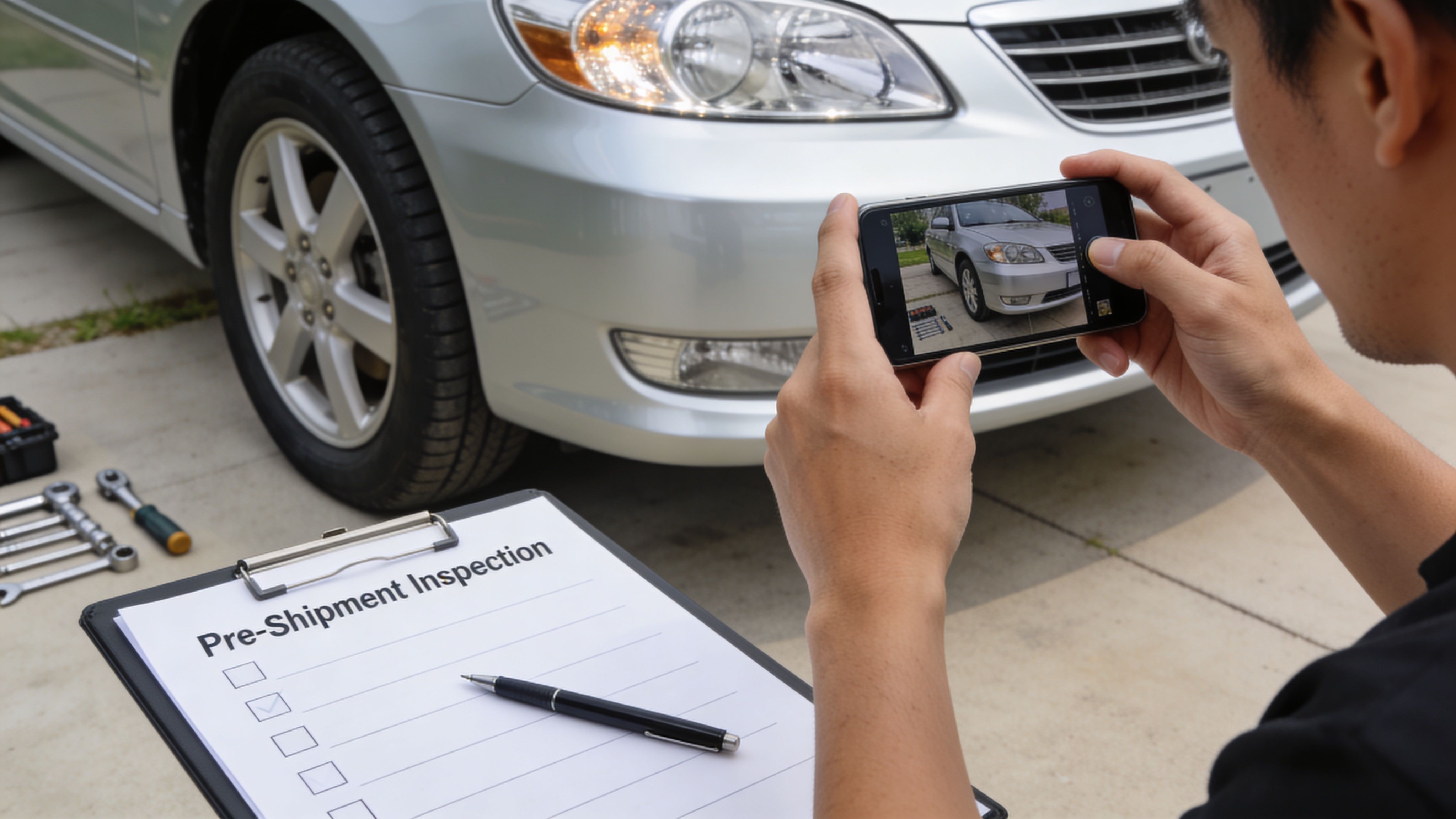
First things first, give your car a good wash. This isn't just for looks. A clean car allows you and the driver to do a proper, accurate inspection at pickup. Every little ding, scratch, or dent needs to be noted on the Bill of Lading (BOL), which is the official condition report for your vehicle.
We always tell our clients to take their own photos. Use your phone to get clear, well-lit pictures of your vehicle from every angle—front, back, both sides, and the roof. Get close-ups of any existing scratches or scuffs. After 25+ years in this business, we know this personal photo record is the best way to have total peace of mind.
Final Pre-Shipment Checklist
With the inspection prep done, it’s time for a few final checks on the vehicle itself. These are mandatory steps for safety and compliance.
- Remove All Personal Items: Federal law is very strict about this. Auto carriers are not licensed to transport household goods. To avoid any potential fines, please make sure the cabin and trunk are completely empty.
- Keep Gas Tank at ¼ Full: This is all about weight. A full tank adds a lot of unnecessary pounds, and carriers have strict weight limits they must follow. A quarter tank is the perfect amount for loading and unloading the car.
- Check Fluids and Tires: Make sure you don't have any major fluid leaks and that your tires are properly inflated. This helps prevent any problems when driving the car onto the carrier's ramp.
For extra peace of mind during transit, you might also look into different types of car paint protection products to help shield your vehicle from road dust and weather. These simple preparations are what make a shipment with National Car Transport a seamless experience from start to finish.
Smart Ways to Save on Your Car Shipment
Everyone wants a great deal, especially when it comes to a long-haul move like shipping a car from Michigan to California. The good news is that with a few insider tips, you can keep your costs down without sacrificing quality service. It all comes down to smart planning.
The biggest lever you can pull is when you ship. Just like airlines, the car transport industry has a peak season. From May through September, demand skyrockets, and so do the prices. In fact, 2026 interstate car shipping data shows that rates can jump by 20% to 30% during these months. For a Michigan-to-California route that typically runs $1,150-$1,400, shipping in the off-season could save you a significant chunk of change. You can see more details on these seasonal pricing trends on A1 Auto Transport.

Lock in a Better Rate
Another proven strategy is booking in advance. Giving yourself a two-to-three-week cushion before your desired pickup date is ideal. This gives us the flexibility to find the perfect driver for your route within our massive network of 25,000+ vetted carriers, often resulting in a better price for you.
Finally, here are a few more practical ways to get the most value from your shipment:
- Stick with Open Transport: Unless you're moving a classic or luxury vehicle, open transport is the way to go. It’s the industry standard—safe, reliable, and much more budget-friendly than an enclosed trailer.
- Be Flexible with Dates: If you have some wiggle room on your pickup and delivery schedule, let us know. A flexible window can open up more carrier options and lead directly to savings.
- Get a Flat-Rate Quote: The last thing you want are surprise fees. Always work with a company that gives you a guaranteed price upfront.
At National Car Transport, we provide transparent, flat-rate pricing. The quote our bilingual agents give you is the price you pay—no hidden fees, no last-minute charges. Just honest, straightforward service backed by our A+ BBB rating.
Common Questions About Shipping a Car to California
It's natural to have a few questions, even after you've got a plan. We get it. Here are some quick, straightforward answers to the most common things we're asked by customers shipping a car from Michigan to California.
What Documents Do I Need to Ship My Car?
For a standard domestic car transport across the U.S. mainland (all 48 states), you really don't need a mountain of paperwork. In most cases, all we'll need from you are the vehicle's registration and a set of keys. That’s it.
Our agents, with their extensive experience, will walk you through exactly what's needed for your specific shipment, making the whole process fast and simple.
Is My Car Insured During Transport?
Yes, 100%. Every single carrier in our network of over 25,000+ vetted carriers is fully licensed, bonded, and carries a substantial cargo insurance policy. We vet everyone thoroughly as part of our commitment to safety.
Your vehicle is fully protected from the second it’s loaded onto the truck until it’s safely rolled off at your destination. This is non-negotiable for us and gives you total peace of mind.
We always tell our clients not to pack personal items in their cars. Federal rules prohibit auto carriers from moving household goods, and their insurance won't cover your belongings. For a smooth, compliant shipment, it's best to send the vehicle empty.
What if I Need to Ship to Puerto Rico?
You've come to the right place. National Car Transport are experts in moving vehicles between the U.S. mainland and Puerto Rico. This process involves ocean freight and specific port documentation, which is different from domestic transport.
Our bilingual (English/Spanish) team has over 20 years of hands-on experience with these shipments. We are based in the USA and know the process inside and out, handling transport from anywhere in the United States to San Juan, Puerto Rico. We will guide you through every single step.
And once your car arrives, don't forget that sorting out your car insurance requirements after moving to a new state is a crucial next step for getting settled in California.
Ready for a transparent, flat-rate quote from a trustworthy company with an A+ BBB rating? Contact National Car Transport. Our experienced, USA-based bilingual agents are here to make your vehicle shipment simple and quick. Get your free, no-obligation quote today at https://www.nationalcartransport.com.