
If you're staring at PCS orders, planning a long stay in San Juan, buying a vehicle from the mainland for use in Puerto Rico, or relocating a family member for school, you're probably finding that “ship a car overseas” sounds more complicated than it should. It doesn't have to be. The process is manageable when you break it into the key moving parts: the shipping method, the paperwork, the vehicle prep, and the handoff at the port.
That matters because overseas auto transport is not some fringe service. The global international car shipping market was valued at roughly USD 16.4 billion in 2023 and is projected to reach USD 35.73 billion by 2035, according to Business Research Insights on the international car shipping service market. In practice, that scale means there are established routes, port procedures, and carrier systems behind the scenes, including the heavily used mainland U.S. to Puerto Rico lane.
For Puerto Rico in particular, customers often underestimate the parts that happen before and after the ocean leg. Getting the car to the departure port, matching documents exactly, clearing destination requirements, and coordinating pickup in or around San Juan are usually what determine whether the move feels smooth or stressful.
Table of Contents
- Your Complete Guide to Shipping a Car Overseas
- RoRo vs Container Shipping What's the Right Choice
- Navigating Documents and Customs for a Smooth Transit
- How to Prepare Your Vehicle for Safe Transport
- Choosing a Reliable Partner for Your Car's Journey
- Common Questions About Shipping a Car Overseas
Your Complete Guide to Shipping a Car Overseas
Shipping a vehicle overseas is easiest when you treat it like a coordinated logistics job, not a one-click purchase. A customer moving from Florida to San Juan may need inland pickup, port delivery, title review, identity documents, and destination coordination. A military family may also need tighter timing and cleaner paperwork because they can't afford a missed sailing.
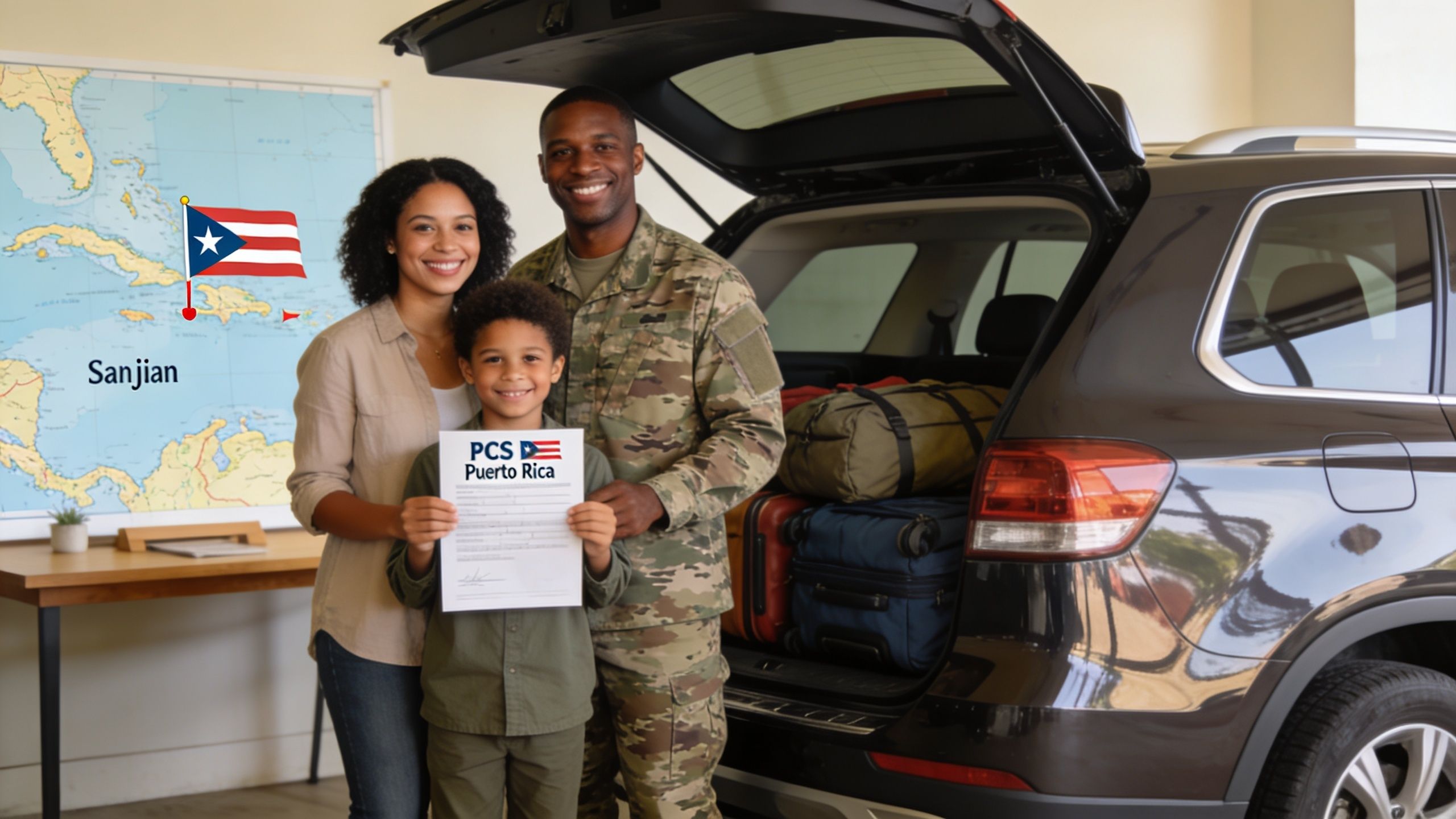
What works is a simple sequence. First, confirm the route and the shipping method. Then verify ownership documents and any lender approvals. After that, prepare the vehicle itself, schedule delivery to the port or pickup from your home, and make sure someone is lined up to receive the car at destination if you won't be there personally.
The routes may differ but the pressure points are similar
Mainland-to-Puerto Rico moves are often described casually because the shipment stays within a U.S. framework in some respects. Customers still run into the same practical issues seen in other overseas shipments: missed documents, bad timing, and assumptions about what the port will accept. That's why the term “overseas” is still useful here. Your car is still moving through a port system, onto an ocean vessel, and through release procedures on the other side.
Practical rule: The ocean crossing is only one part of the move. Most preventable problems happen at booking, document review, vehicle prep, or port release.
Who usually needs this service
The people asking how to ship a car overseas usually fit into a handful of real situations:
- Military families: PCS moves often require firm timelines and clear chain-of-custody.
- Snowbirds: Seasonal moves to Puerto Rico work better when pickup and return timing are planned early.
- Students: Parents often want a dependable car on the island instead of shopping after arrival.
- Dealerships and businesses: Fleet and inventory moves depend on repeatable port processes.
- Relocating households: One family car may be more practical to ship than replace.
A route like Texas to San Juan or New York to Puerto Rico isn't hard because it's rare. It's hard when details get skipped. That's why experienced coordination matters more than flashy promises.
RoRo vs Container Shipping What's the Right Choice
A customer shipping a sedan from Jacksonville to San Juan usually wants the lower-cost option and a predictable port release. A customer shipping a lowered weekend car or a restored classic usually cares more about protection and controlled handling. That difference is what decides the method.
For mainland-to-Puerto Rico moves, choosing a method is less about labels and more about fit. RoRo works well for many standard vehicles, but it also comes with stricter rules about operability, ground clearance, and what can stay in the car. Container service costs more in many cases, yet it can solve problems that would otherwise show up at the port.
How RoRo works in real life
Roll-on/roll-off, or RoRo, means the vehicle is driven onto the vessel, parked in a designated cargo area, and secured for the ocean leg. For Puerto Rico, this is often the straightforward option for household cars, crossovers, pickup trucks, and fleet vehicles that run properly and sit at normal ride height.
RoRo usually makes sense when the car starts, steers, brakes, and can be moved safely by port staff. It is often the simpler booking for customers who are not shipping a rare or highly customized vehicle.
The trade-off is exposure to normal port handling. The vehicle is not enclosed in its own container, and carriers are stricter about loose personal items. On Puerto Rico shipments, that matters because customers often assume they can leave extra belongings in the trunk. Many port operators and carriers will limit or reject that, and a bad assumption there can delay acceptance on delivery day.
RoRo is also a poor fit for some non-running vehicles, cars with very low clearance, and vehicles with fragile custom add-ons.
When container shipping makes more sense
Container shipping places the vehicle inside a container, either with other cargo or as the only unit in the box. That setup gives the car more separation from general port traffic and can be the safer call for collector vehicles, luxury models, or cars with parts that are easier to damage during standard vessel loading.
On the Puerto Rico lane, container service also helps when the vehicle needs more controlled loading or when the shipment details are less standard. I recommend customers look closely at this option if the car is modified, has expensive exterior accessories, or would be difficult to replace if something goes wrong.
The trade-off is cost, plus a little more coordination around loading and container availability. Some customers hear "container" and assume it is automatically better. It is better for certain vehicles and certain risk profiles. It is not automatically the better value for a late-model family SUV making a routine mainland-to-island move.
Insurance should be part of the decision too. If you are comparing methods, review your carrier's coverage and consider comprehensive shipping insurance that covers marine cargo exposure more clearly than a basic assumption that "the carrier has it covered."
RoRo vs. Container Shipping at a Glance
| Feature | Roll-On/Roll-Off (RoRo) | Container Shipping |
|---|---|---|
| How it loads | Vehicle is driven onto the vessel | Vehicle is secured inside a container |
| Typical fit | Standard running vehicles | High-value, classic, specialty, or more sensitive vehicles |
| Cost profile | Usually the cost-saving option | Usually the higher-cost option |
| Protection level | Good for normal transport, but less isolated than a container | More sheltered during ocean transit and port handling |
| Vehicle condition | Usually best for operable vehicles | Often better for vehicles needing specialized loading or added protection |
| Puerto Rico use case | Common for household cars and routine relocation moves | Common when protection, modifications, or handling limits rule out RoRo |
Choose the method that matches the vehicle, the route, and the port reality on both ends. A lower quote loses its appeal fast if the car is refused at the terminal, needs special handling that was not disclosed at booking, or arrives under a method that never fit the vehicle in the first place.
Navigating Documents and Customs for a Smooth Transit
Paperwork is where overseas vehicle moves usually succeed or fail. The Federal Maritime Commission warns that shippers need to know the laws of both the U.S. and the destination country, what vehicles may be imported, what fees apply, and what documentation is required. The agency also warns that missing paperwork or non-compliance can lead to a vehicle being delayed, held, or rejected, as explained in the Federal Maritime Commission guidance for shipping your vehicle overseas.
That's why experienced coordinators spend so much time on document review before the car ever reaches the port. Customers often think the hard part is the sailing. It usually isn't.
The documents that usually matter most
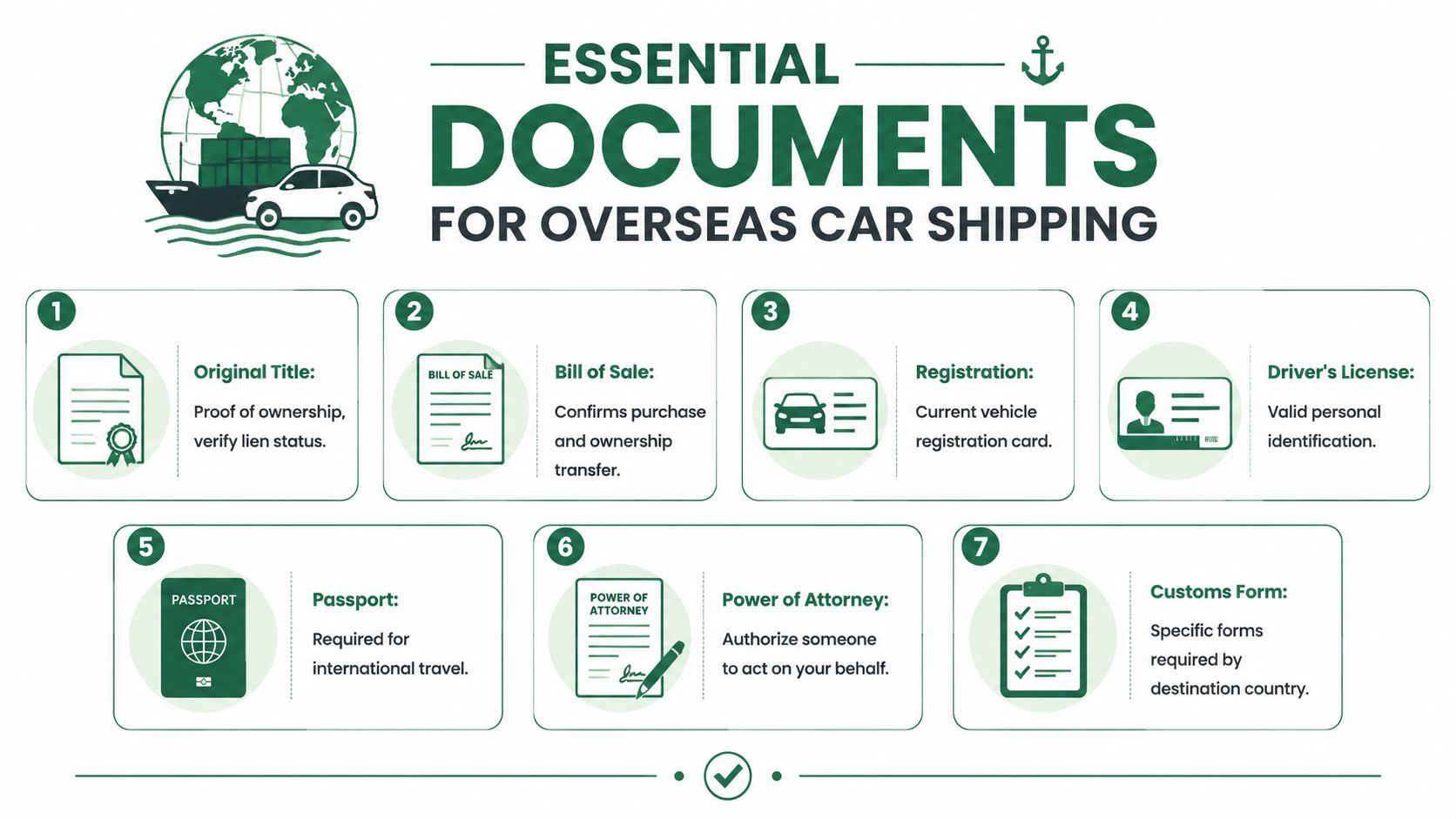
The exact list can vary by route and ownership situation, but these are the items customers should expect to verify early:
- Vehicle title: This proves ownership. If there's a lien, you may need lender authorization before the vehicle can move.
- Bill of sale: Useful when ownership is recent or title work is still being updated.
- Current registration: Ports and carriers often want current vehicle identity details to match the booking.
- Government-issued ID: Names need to match across the file.
- Power of attorney if required: This matters when someone else is handling delivery, release, or document signing for you.
Insurance is another area where customers make assumptions. If you're comparing marine coverage, it helps to review what a comprehensive shipping insurance policy may include before the vehicle moves.
Why Puerto Rico shipments need extra attention
Puerto Rico shipments create confusion because people assume a U.S. destination means simple paperwork. It can be simpler than many foreign imports, but simple is not the same as automatic. Port procedures, release requirements, identity matching, tax-related forms, and local agency steps still need to be handled carefully.
For Puerto Rico routes, customers should be ready for requirements tied to local treasury and motor vehicle processing. In practice, that means checking the current forms and release steps tied to Hacienda and local motor vehicle procedures before the vehicle sails. If any detail is off, the problem usually appears at destination, when storage time is least welcome.
If your documents don't line up exactly, the vessel can sail on time and your car can still sit waiting for release.
One reason people use a coordinator instead of trying to patch the move together themselves is language and local procedure. On Puerto Rico shipments especially, bilingual support can help when a customer is trying to align mainland booking details with island-side release requirements.
How to Prepare Your Vehicle for Safe Transport
A car can be booked correctly, documented correctly, and still run into trouble because of poor handoff prep. I see that most often on Puerto Rico moves, where one small issue at mainland port intake can follow the vehicle all the way to San Juan and delay release, reinspection, or final pickup.
Good preparation does three things. It gives the port a vehicle they can accept without extra exceptions, it gives you a clean condition record, and it reduces the chance of avoidable disputes after discharge. General overseas shipping steps are outlined by Schumacher Cargo on how to ship a car overseas, but the handoff details are where customers usually save or lose time.
Your pre-shipping vehicle checklist
Start with the car itself. The goal is simple: make it easy to inspect, safe to move, and ready for port handling.
- Wash the car: Dirt hides scratches, scuffs, and small dents. A clean car leads to a better condition report at pickup or port drop-off.
- Photograph every side: Take date-stamped photos of all panels, wheels, glass, and the interior if it matters to you. Get close shots of any existing damage.
- Remove personal belongings: Port operators and ocean carriers do not want loose items inside the vehicle. Personal property can also create problems if the unit is inspected.
- Keep fuel low: A low fuel level is standard for vessel safety and port acceptance. Quarter tank or less is the safest rule to follow unless your carrier gives different written instructions.
- Provide a full set of keys: The vehicle may need to be moved more than once between intake, staging, loading, and discharge.
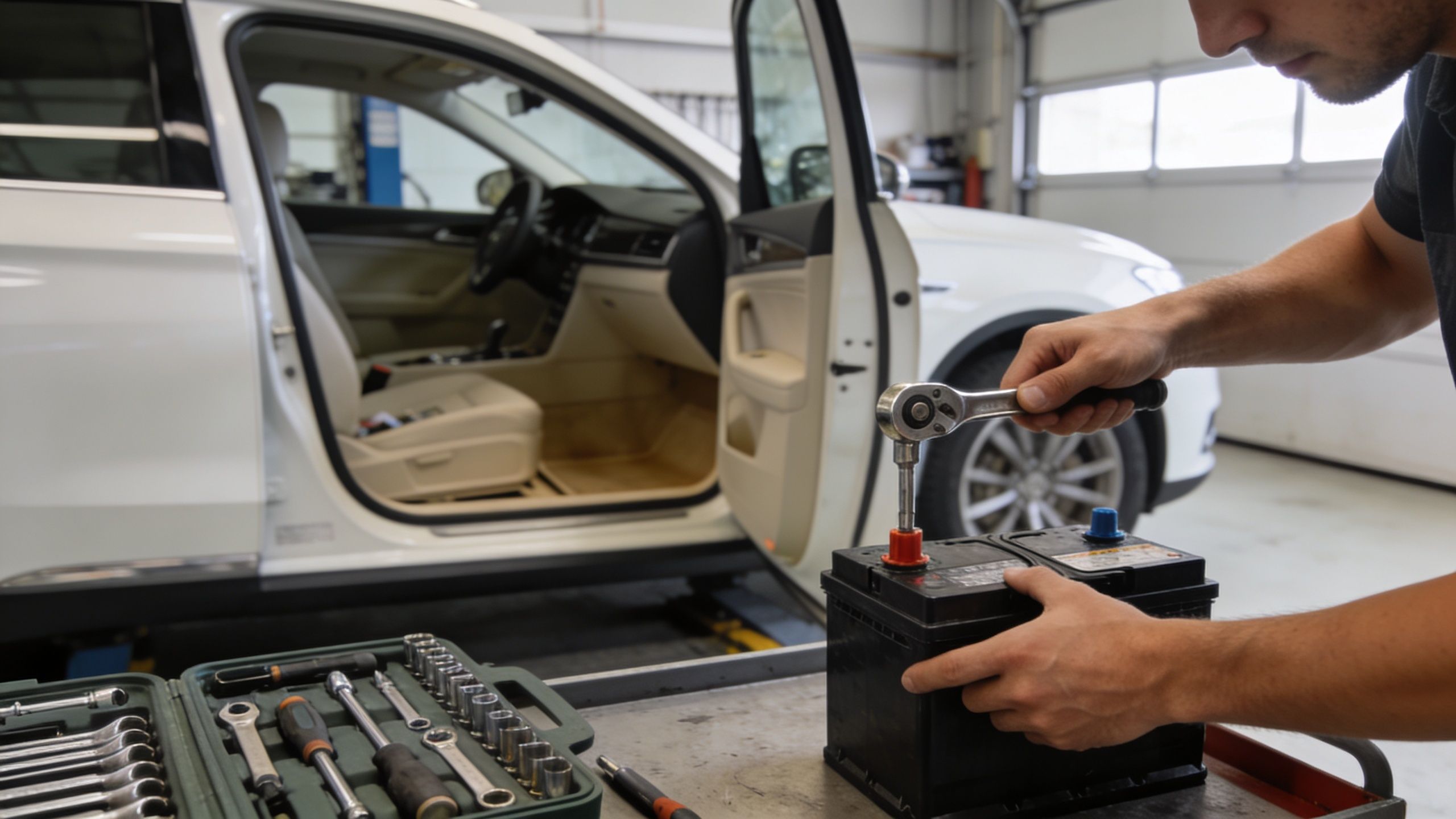
- Check the battery and alarm: A weak battery, kill switch, or alarm that keeps sounding can delay loading and trigger extra handling notes.
- Fix active leaks if possible: Oil, coolant, or fuel leaks can get a vehicle held at the port until the issue is addressed.
Small details matter here.
For Puerto Rico shipments, I also tell customers to check ride height, ground clearance, and any loose accessories before the car reaches the port. Low cars, oversized tires, roof racks, bed accessories, and detachable spoilers are more likely to draw extra attention during intake because they affect how the vehicle is measured, parked, or driven onboard.
What customers forget most often
The misses are usually simple.
- Toll tags and parking transponders: Remove them or disable them before inland transport starts.
- Custom stereo faces, chargers, and dash items: Clear out the cabin so nothing shifts or disappears during handling.
- Aftermarket parts that are not secured well: If it can rattle loose, remove it.
- A readable VIN and matching paperwork: If the VIN plate is obscured by tint strips, covers, or clutter on the dashboard, intake can slow down fast.
- A spare key plan: If the only key is lost in transit or at the port, solving that from Puerto Rico is expensive and slow.
Commercial units need another layer of planning. If you are moving a work truck, van, or specialized unit and need help understanding how to clear imported commercial vehicles, deal with that before the vehicle is sitting at the terminal waiting on someone's answer.
Loading note: Your photos, the intake inspection, and the vehicle's actual condition should match. If something is missing from the report, ask for it to be corrected before the car moves.
Puerto Rico shipments usually involve more touchpoints than customers expect. Mainland pickup, terminal intake, vessel loading, discharge, local processing, and release all create opportunities for delay if the car arrives dirty, leaking, packed with personal items, or hard to start. Clean prep lowers that risk and makes every handoff easier.
Choosing a Reliable Partner for Your Car's Journey
A mainland to Puerto Rico shipment can look simple on the quote sheet and still go sideways at the port. The weak points usually show up in handoffs. Inland pickup misses the terminal cutoff. The booking party cannot explain who files the port paperwork. The car reaches San Juan, but the owner is still trying to figure out release steps.
That is why the right partner matters. You are not just hiring a truck or buying space on a vessel. You are hiring coordination across pickup, terminal intake, ocean transport, discharge, and release.
For Puerto Rico moves, ask direct questions before you book. Who is responsible for each leg of the trip? Which port is the vehicle leaving from? What are the cutoff times for delivery to the terminal? What documents are checked before the vehicle is accepted? If the answers stay vague, expect problems later.
What to verify before you book
A reliable provider should be able to explain the process in plain language and tell you where delays usually happen.
- Experience with Puerto Rico lanes: Mainland to Puerto Rico is not handled like a standard domestic shipment. Port procedures, vessel schedules, and local release rules add steps that inexperienced brokers often gloss over.
- Clear responsibility for each handoff: Ask who handles inland transport, who books the ocean leg, and who helps with release at destination.
- Insurance details: Get a straight answer on what coverage applies during truck transport, port storage, and ocean transit.
- Terminal and carrier relationships: A company that works these routes regularly usually knows the cutoff windows, intake standards, and common port hold issues.
- Communication quality: If a coordinator cannot explain timelines, document checks, or what happens if the vehicle misses a sailing, that is a warning sign.
National Car Transport is one option customers use for these shipments. The company states that it has more than 25 years of experience, an A+ BBB rating, bilingual U.S.-based agents, flat-rate pricing, and a large vetted carrier network for mainland and Puerto Rico vehicle transport.
Commercial shipments need extra screening before the ocean booking is locked in. If you are moving a work truck, cargo van, or specialty unit, review how to clear imported commercial vehicles early so the unit does not end up stuck waiting on customs or broker instructions.
Special vehicles need special handling
The right partner also knows when a vehicle cannot be treated like a standard sedan. Low-clearance cars, modified SUVs, classics, and some EVs need a real loading plan. Navi Auto Transport explains low-clearance car shipping and notes that professional carriers may use hydraulic lift gates or longer ramps to reduce the loading angle and help prevent scrapes.
That issue often shows up before the car ever reaches the port. A rushed pickup on the mainland can cause the damage that gets blamed on ocean transport later. I tell customers to listen closely to how a company answers questions about lowered suspensions, oversized tires, body kits, or non-running condition. Specific answers usually mean they have handled it before.
Military POV shipments, dealer inventory, auction units, and family vehicles headed to Puerto Rico all follow the same broad route, but they do not move the same way in practice. A good coordinator adjusts the plan to the vehicle, the port schedule, and the paperwork instead of forcing every shipment into one template.
Common Questions About Shipping a Car Overseas
A lot of overseas car shipments feel on track until the final week, then a missing signature, a lender requirement, or a port release mismatch slows everything down. That happens often on Puerto Rico moves because customers focus on the ocean leg and underestimate the handoff at the mainland port and the release process on the island.
The pattern is consistent. Delays usually come from documents that do not match, IDs that were not submitted in time, title or lienholder issues, or cargo that was prepared one way for inland pickup and another way for port acceptance.
Can I ship a financed car
Yes, sometimes. The lender may need to approve the move before the vehicle can be booked for export or port processing, especially if the title is not in your possession.
Ask that question before you schedule pickup. If the car is headed from the mainland to Puerto Rico, confirm whether the port will require title copies, lienholder authorization, or both. I have seen customers lose a vessel slot because they assumed the lender paperwork could be handled after the car was already in transit.
Can I leave personal items inside the vehicle
Usually, no. RoRo shipments are especially strict, and Puerto Rico port handling can get complicated fast if the vehicle arrives with loose household goods, boxes, or undeclared items inside.
Even on routes where limited contents may be allowed, customers take on extra risk. Items can shift, trigger inspection questions, or create disputes over what belonged in the car in the first place. If you need to move personal property too, plan that as a separate shipment instead of treating the vehicle as storage.
What if my car is delayed or arrives with an issue
Start with records. Keep your booking confirmation, photo set, pickup inspection, title or registration copies, and every release contact in one place.
A delay does not always point to damage or a missed sailing. Weather, port congestion, inland carrier timing, customs review, and release-day document corrections can all add time. Puerto Rico shipments also depend on how quickly the receiving party can satisfy local port pickup requirements after the vehicle lands.
If there is visible damage, note it before the car leaves the port or delivery point. Compare the condition against the original inspection and photos right away. That gives the carrier and coordinator a clean record to work from.
How long does shipping to Puerto Rico take
It depends on the full route, not just the vessel schedule. A car moving from Florida to the departure port follows a different timeline than one coming from Colorado, Illinois, or Washington before it ever reaches the water.
For Puerto Rico, customers should count four stages: inland pickup, port intake, ocean transit, and port release in San Juan or the assigned terminal. The ocean leg may be straightforward, but release timing can still shift if documents, ID details, or pickup authorization are not ready when the car arrives.
Do I need to be present at both ends
No, but the person acting for you needs to be set up correctly. That means matching names across the booking file, valid identification, and any authorization forms required by the port, carrier, or release office.
This matters on Puerto Rico shipments. A family member can often drop off or receive the vehicle, but a nickname, missing middle initial, or outdated ID can turn a simple handoff into a missed release window.
If you're planning to ship a car overseas, especially between the U.S. mainland and Puerto Rico, National Car Transport can help coordinate the inland transport, port scheduling, and vehicle handling steps that often trip up first-time shippers. The value is having an experienced advisor walk the move from pickup through release, in English or Spanish, so the process stays clear and the paperwork gets checked before it becomes a port problem.