

Planning a move to Michigan, a seasonal snowbird stay, or a long vacation usually means solving two problems at once. First, you want the right road trip. Second, you need the right vehicle in the right place, on time, without adding stress to the trip itself. That's especially true if you're coming from the mainland to Puerto Rico or bringing a car into Michigan for a relocation, because the scenic part of the plan only works after the transport part is handled cleanly. For practical help with vehicle logistics, Class A RV Repairs body services is one of the many examples of how travel-related services often sit beside auto transport needs.
Michigan has a deep scenic-drive culture because the state's road network is officially built around shoreline access, forest corridors, and destination stops. The state has 23 scenic byways, including three national scenic byways and 20 state and federal agency scenic byways (Michigan scenic byways overview), and many of the best-known routes cluster around Lake Michigan, Lake Huron, and the Upper Peninsula. The primary planning challenge is not finding pretty roads, it's matching the route to the season, the weather, the traffic pattern, and your delivery window. That matters whether you're a snowbird, a military family, a student, a dealership, or a business moving inventory.
National Car Transport fits naturally into that kind of trip planning. With 25+ years of experience, an A+ BBB rating, transparent flat-rate pricing, and a network of 25,000+ vetted carriers, the company is built for people who need the vehicle side handled professionally while they focus on the move or the drive. Its bilingual English/Spanish agents with 20+ years of auto transport logistics experience are especially useful for mainland-to-Puerto Rico moves, where clear communication and route coordination matter. If you want the scenic roads without the logistical guesswork, the smartest move is to line up the transport first and the itinerary second.
Table of Contents
- 1. M-22 Leelanau Peninsula Loop Northern Michigan's Coastal Masterpiece
- 2. US-31 Lake Shore Drive Eastern Shoreline from Frankfort to Mackinaw City
- 3. M-119 Tunnel of Trees Harbor Springs to Good Harbor Beach
- 4. M-27 Paved Bicentennial Trail Greenville to Lake Secure Loop
- 5. M-231 Scenic Drive Holland to Saugatuck Dunes Tour
- 6. M-37 North Country Scenic Route Clare to Cadillac Through Huron National Forest
- 7. M-149 Keweenaw Peninsula Mountain Drive Houghton to Copper Harbor
- 8. US-2 Upper Peninsula Lake Superior Corridor Ironwood to Mackinac Bridge
- 9. M-35 Bay de Noc Loop Gladstone to Powers Through Iron Ranges
- 10. M-55 Sand Dunes Scenic Drive Manistee to Cadillac Through Dune Country
- 10 Michigan Scenic Drives, Side-by-Side Comparison
- Your Michigan Drive Starts with Smart Transport
1. M-22 Leelanau Peninsula Loop Northern Michigan's Coastal Masterpiece
M-22 is the road most often pictured when people think of scenic drives in Michigan. The route sits inside the broader Lake Michigan Circle Tour, a regional route established in 1988 that loops through Michigan, Wisconsin, Illinois, and Indiana, with Michigan's shoreline segment tying together some of the state's most visited coast roads, especially the M-22 corridor in Leelanau and Benzie counties. That matters for relocators because the same road that pulls in weekend tourists also serves year-round residents, seasonal homeowners, and transport carriers moving vehicles into the region.
For drivers, the payoff is simple. You get a shoreline route that links Frankfort, Glen Arbor, and Traverse City with vineyards, beaches, and forest cover in a single sweep. For shipping, the trade-off is equally clear. Scenic corridors often move slower than inland highways, so a door-to-door delivery can take more coordination than a straight interstate run. That's why National Car Transport's Michigan transport planning resources are useful for people who need their car in place before they arrive.
Practical rule: If you're relocating to the Traverse City area, book transport first and plan the drive second. Shoulder seasons usually make the route feel more usable because traffic is lighter and stopping points are easier to enjoy.
A few practical notes help the route work better in real life.
- Time your travel smartly: Shoulder seasons are a better fit if you want a calmer drive and better photo stops.
- Build in stop time: The loop deserves more than a point-to-point pass, especially if you're combining it with a move-in day.
- Watch for patchy service: Updated maps matter because cell coverage can be inconsistent along lake corridors.
- Match the vehicle to the plan: Snowbirds, military families, and classic car owners often use open or enclosed transport depending on the vehicle's value and the season.
M-22 is beautiful, but it's also a logistics route. If you're shipping a car into a winter home, a storage facility, or a lakeshore rental, the smartest move is to coordinate the drop with a carrier that understands seasonal access and narrow coastal roads.
2. US-31 Lake Shore Drive Eastern Shoreline from Frankfort to Mackinaw City
US-31 gives you one of the most useful shoreline drives in the state because it connects resort towns, harbor communities, and family-friendly stops without feeling detached from everyday travel. It's not just a vacation road. It's a working corridor for people moving to lakefront homes, sending dealership inventory to coastal markets, or relocating with children and pets who need predictable stopovers along the way.
The route links Frankfort, Manistee, Ludington, and Mackinaw City along Lake Michigan's shoreline, and its appeal comes from access as much as scenery. That's important for transport customers from Puerto Rico or the mainland, because a vehicle handoff near a coastal property often needs better timing than a standard inland delivery. National Car Transport regularly manages those kinds of deliveries with door-to-door service that keeps the logistics simple for the customer.
You also want to think about seasonality. Summer traffic can slow everything down, and winter runs require carriers who know how to handle cold-weather conditions. The road may look like a vacation route, but for shipping it behaves more like a timing puzzle.
What works on this corridor
- Deliver early or late in the day: Off-peak hours reduce the chance of tourist congestion.
- Plan for a longer scenic run: If you stop at the key attractions, the route rewards patience.
- Use seasoned carriers in winter: Cold-weather pickups and drop-offs need experience, not guesswork.
- Coordinate with local property access: Lakeshore homes often have tighter delivery windows than highway-adjacent addresses.
For dealerships and business customers, US-31 is also a strong inventory movement route because it connects coastal demand centers without forcing every vehicle onto the same congested inland path. The road is scenic, but its real strength is practical access.
3. M-119 Tunnel of Trees Harbor Springs to Good Harbor Beach
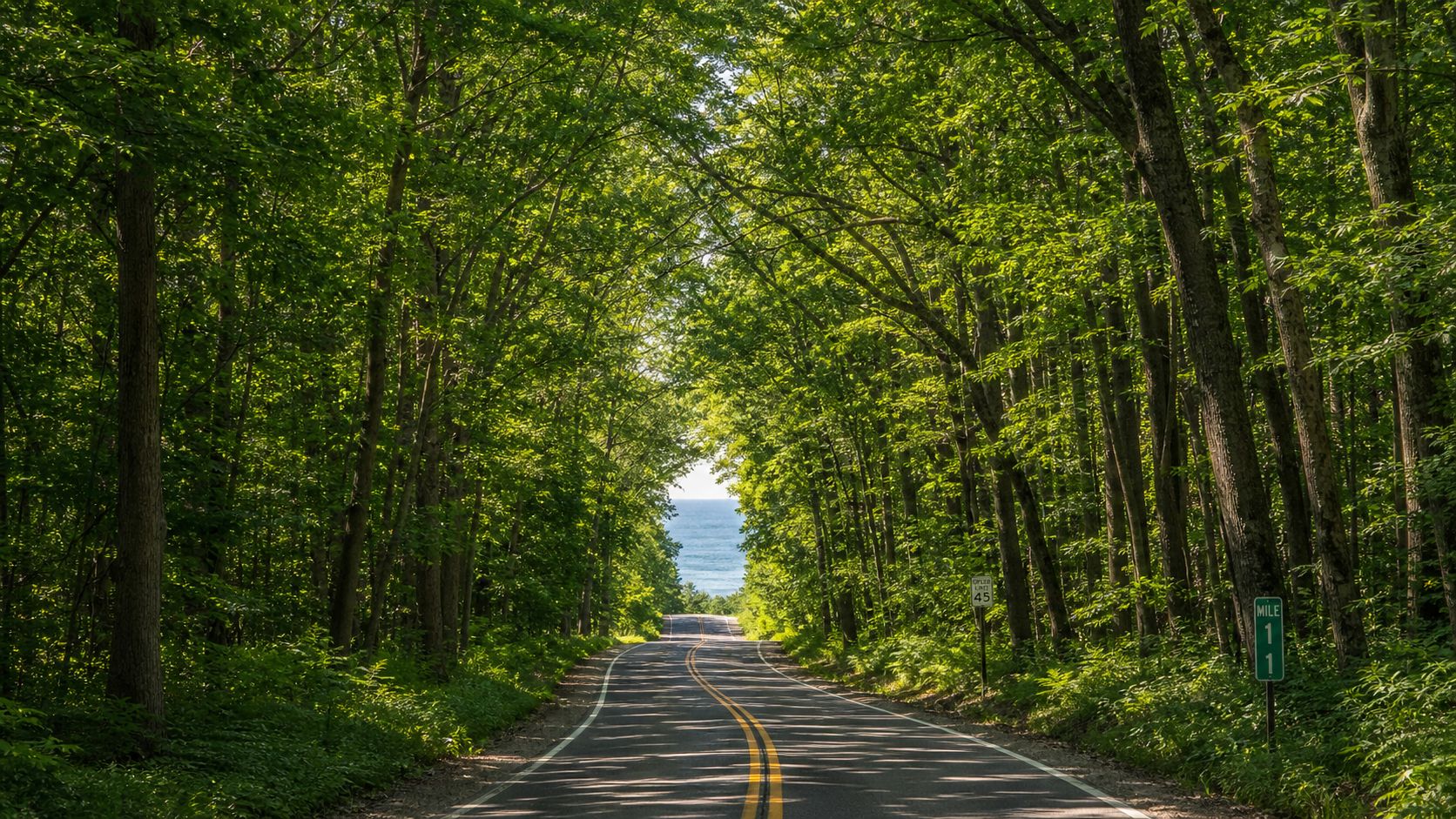
The Tunnel of Trees is one of Michigan's most recognizable drives because it condenses a lot of value into a short stretch. M-119 runs about 20 miles between Harbor Springs and Cross Village, and it's widely known for fall color, dense canopy cover, bluff views, and small-town access. Its narrow, curving alignment traces back to early 20th-century road development in northern Michigan, which explains why it feels intimate rather than engineered for speed (Tunnel of Trees overview).
That same narrowness is the reason transport planning matters here. A luxury car owner moving a high-value vehicle to a vacation property may prefer a carrier that can stage the delivery on a wider connecting road, then complete the final approach carefully. National Car Transport's classic car shipping guidance is relevant for that kind of setup because classic and specialty vehicles need different handling than everyday commuters.
You won't want to rush this route. The road is short, but the stops and viewpoints make it feel more like a half-day experience than a quick connector. For drivers arriving from out of state, that means your auto transport should arrive before you plan the scenic leg, not the other way around.
Practical rule: Use daytime delivery windows on narrow northern roads. Visibility and maneuvering matter more there than they do on broad interstate exits.
The route works especially well for:
- Luxury relocators who want a memorable introduction to Harbor Springs.
- Classic car collectors moving vintage vehicles into seasonal storage.
- Affluent seasonal residents who value scenic access but don't want to risk a tight road in bad weather.
The Tunnel of Trees is one of those drives that proves short routes can still carry real logistical weight. If the vehicle is expensive, delicate, or hard to replace, the delivery plan has to respect the road, not fight it.
4. M-27 Paved Bicentennial Trail Greenville to Lake Secure Loop
M-27 is the kind of route people overlook until they need a practical inland option. It follows scenic county roads through central Michigan's agricultural heartland and connects smaller communities with a quieter, more working version of the state. For relocators headed to farm properties, investment parcels, or rural family homes, that matters because the road gives you a clearer feel for the terrain than a fast highway ever will.
The approximately 45-mile loop is useful for transport coordination precisely because it stays away from the big-city congestion that can slow deliveries in more urban parts of the state. It also works well for customers who want to understand how their vehicle will move through county-road systems before signing off on a delivery window. That's a real concern for students moving to smaller Michigan towns and for families bringing more than one car into a rural area.
A few things make this route practical:
- Daylight helps more than speed: Rural addresses are easier to find when visibility is good.
- County-road familiarity matters: A carrier who knows local road systems will usually handle the handoff more smoothly.
- Flexible scheduling pays off: Inland communities often need wider delivery windows than major cities.
- Stops are low-key: This is not a flashy tourist route, so it's better for people who prefer function over spectacle.
For a business that needs vehicles moved into inland inventory points, M-27 offers a decent reference corridor because it reflects the authentic pace of central Michigan. You're not fighting shoreline traffic, but you are dealing with a terrain where planning and patience still matter.
5. M-231 Scenic Drive Holland to Saugatuck Dunes Tour
M-231 ties together two of southwest Michigan's most appealing destinations, Holland and Saugatuck, while passing dunes, lakefront stretches, and smaller villages that reward a slower pace. It's a strong route for seasonal homeowners and relocators because the same scenery that brings in summer visitors also defines the lifestyle people are buying into when they move there permanently.
The route is especially useful if you're shipping a vehicle into a vacation home or coastal residence. You want to avoid the heaviest tourist flow, especially when the surrounding area is at its busiest. National Car Transport often coordinates deliveries to this part of the state with off-peak timing because it keeps the pickup and drop-off cleaner for everyone involved.
Why this route works for movers
- It connects lifestyle towns: Holland brings the cultural draw, while Saugatuck adds the beach-town feel.
- It supports flexible stops: Dune country rewards short detours and photo breaks.
- It's better off-peak: Scheduling outside heavy vacation periods reduces friction.
- It suits seasonal residents: The corridor makes sense for people who split time between states.
This is also a strong fit for dealerships sending inventory into a destination market where presentation matters. If a car is arriving for resale near the lakeshore, the handoff needs to feel as polished as the market itself. That's where a carrier network and a responsive agent team make a difference, especially when timing shifts at the last minute.
M-231 is scenic, but it is also a reminder that the best routes are the ones that work with the calendar, not against it. A beautiful drive is great. A beautiful drive that also lines up with your delivery window is better.
6. M-37 North Country Scenic Route Clare to Cadillac Through Huron National Forest
M-37 is one of the better choices if you want forest, lake access, and small-town continuity without the intensity of the busier shoreline corridors. It runs through north-central Michigan, passes through Huron National Forest, and connects Clare, Harrison, and Cadillac. That makes it valuable for relocators headed into interior lake communities, where the road itself becomes part of the adjustment to a more rural lifestyle.
The route also suits vehicle transport planning because it gives carriers a straightforward inland framework with enough access points to make scheduling manageable. Families moving to northern Michigan, cabin owners, and commercial transport customers sending vehicles to rural dealerships can all benefit from a route that doesn't depend on tourist bottlenecks. In practice, that often means less stress on pickup day and fewer surprises at delivery.
Keep winter transport conservative on forest-adjacent routes. If the vehicle or the carrier setup isn't right for the conditions, rescheduling is smarter than forcing the run.
This route feels different from the coastal loops because the scenery is more enclosed. Instead of constant lake views, you get dense forest and inland recreation access, which works better for people who are moving to use the property, not just visit it. That's why it's a solid fit for vacation property owners and buyers of lakefront cabins.
For auto transport customers, the main lesson is simple. Interior scenic roads can be beautiful and functional at the same time, but only if the carrier understands rural timing, weather, and address access. That's the part that turns a pretty drive into a workable relocation route.
7. M-149 Keweenaw Peninsula Mountain Drive Houghton to Copper Harbor
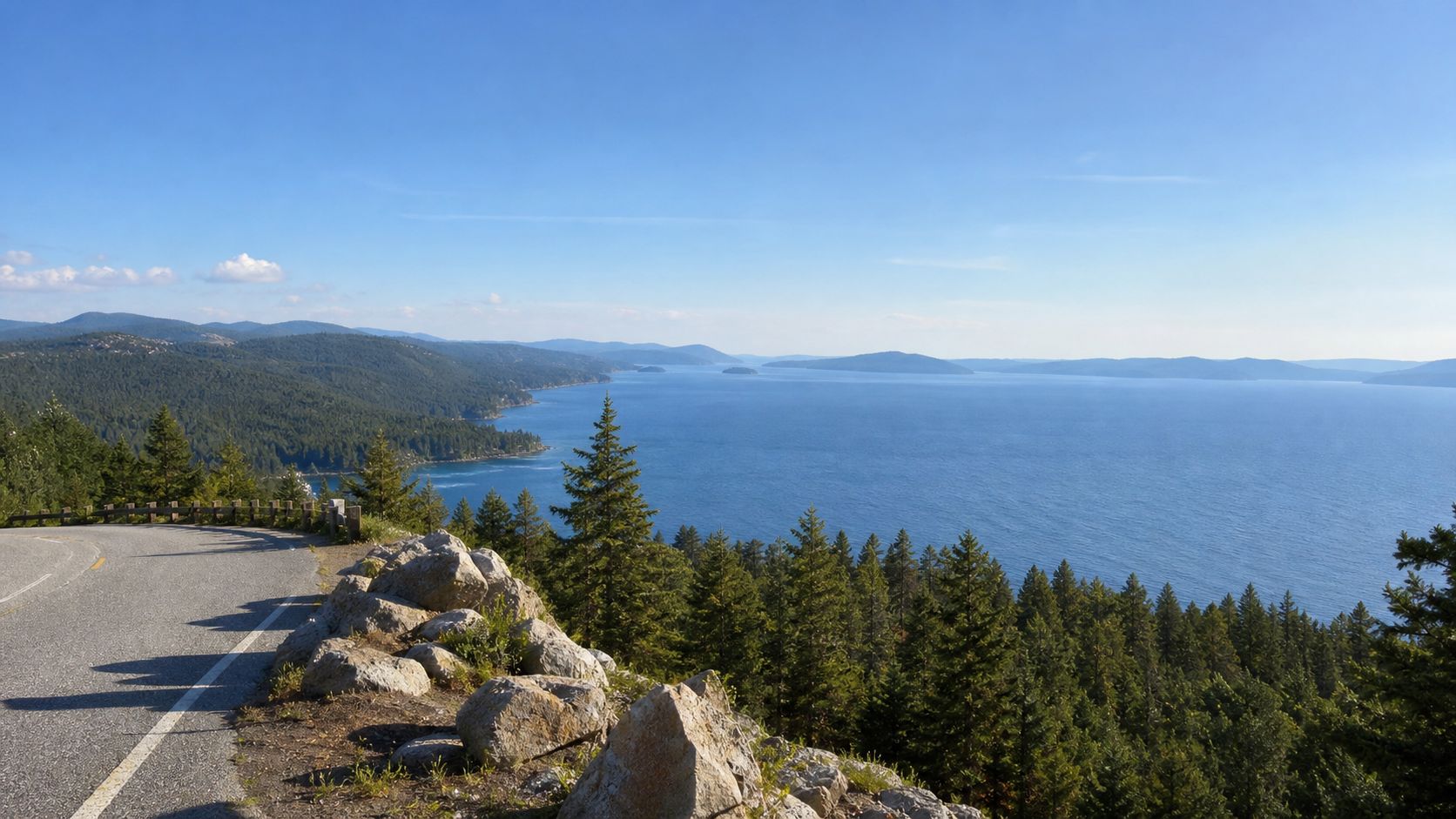
The Keweenaw Peninsula is where Michigan starts to feel remote in a good way. M-149 climbs through Houghton toward Copper Harbor, with dramatic elevation changes, pine forests, and Lake Superior views that appeal to people who want a destination with personality. It's also one of the best examples of why specialty transport planning matters. Remote terrain and narrow access mean the wrong carrier can make a simple delivery needlessly complicated.
This route is especially relevant for adventure-seeking relocators and specialty vehicle owners. High-performance cars, collector vehicles, and seasonal homes in remote areas all benefit from a carrier that knows the terrain and understands how to stage a handoff in a place where roads can be less forgiving. National Car Transport's network makes that easier by connecting customers with experienced specialty carriers instead of forcing one-size-fits-all dispatching.
A few practical realities stand out:
- Summer and early fall are safer bets: Better road conditions make delivery more predictable.
- Winter needs caution: Remote routes can be unforgiving when the weather turns.
- Peninsula-specific experience helps: A driver who knows the area is worth more than a generic promise.
- Extra time is normal: The road complexity deserves margin in the schedule.
M-149 is not the place to improvise. If you're moving a valuable vehicle to Copper Harbor or setting up a seasonal property, the route is beautiful enough to justify the extra planning. It's also a strong reminder that scenic access and logistics discipline should travel together.
8. US-2 Upper Peninsula Lake Superior Corridor Ironwood to Mackinac Bridge
US-2 is one of the most important long-haul scenic routes in Michigan because it ties together the Upper Peninsula's western and eastern ends while staying close to Lake Superior. It connects Ironwood to the Mackinac Bridge and passes through an area that includes mining towns, waterfalls, forests, and lake views. For movers, military families, and business customers, that makes it more than a scenic road. It's a corridor with real transport utility.
The route is also one of the best examples of why the Upper Peninsula needs careful shipping coordination. Distance, weather, and road conditions all matter, especially for people moving to Marquette or Sault Ste. Marie and for dealerships sending inventory north. National Car Transport can pair that kind of move with carriers from its 25,000+ vetted carrier network, which helps reduce uncertainty on extended runs. For customers who need cost conversations before booking, the company's car shipping cost guidance is a useful starting point.
US-2 works because it keeps the trip anchored. You can stop at lakeshore overlooks, pull off near scenic spots, and still keep the route legible for transport scheduling. That's valuable for customers who want to know not just where the road goes, but how it behaves in actual logistics terms.
Practical rule: Long Upper Peninsula deliveries should be planned with weather and daylight in mind. A scenic route is still a working route when a vehicle is on it.
For military families, students, and relocators with limited time, the key benefit is predictability. The corridor is long, but it's understandable, which makes it easier to match with door-to-door service and a realistic arrival window.
9. M-35 Bay de Noc Loop Gladstone to Powers Through Iron Ranges
A driver moving a vehicle between Gladstone and Powers gets a quieter Upper Peninsula run that still has real character. M-35 folds together forest stretches, shoreline views, and iron-range history, so the road feels purposeful for people relocating for work tied to forestry or mining heritage tourism, and for buyers who want property farther north without the pressure that comes with busier tourist routes.
That balance matters on the transport side too. The corridor gives carriers enough scenery to make the trip memorable, but it stays practical for deliveries into smaller UP communities where timing and communication matter more than flash. For commercial customers, that can make the difference between a clean handoff and a day spent waiting on a narrow delivery window.
The trade-offs are clear. Remote Upper Peninsula roads reward careful planning, and business-hour drop-offs are usually easier to coordinate than late-day arrivals. National Car Transport agents can help set that up by matching the handoff to the terrain, the route, and the customer's schedule.
If you need a route that still feels like Michigan, this one delivers that without forcing extra complexity on the move. Scenic driving here is less about big overlooks and more about a solid corridor that keeps the trip useful while still giving it meaning.
10. M-55 Sand Dunes Scenic Drive Manistee to Cadillac Through Dune Country
M-55 is a strong closing pick because it combines dune country, forest access, and inland travel in one manageable run. The route links Manistee to Cadillac through areas tied to Sleeping Bear Dunes and broader northern Michigan recreation, which makes it appealing to outdoor enthusiasts and people buying vacation properties in unique natural settings. If you're relocating for lifestyle rather than convenience, this is the kind of road that helps the move feel intentional.
The logistics angle is real here. Sand, weather, and seasonal traffic all affect how comfortable the route feels, especially if you're shipping a high-value vehicle or moving into a property that sees heavy summer use. Enclosed transport can be worth considering for vehicles that need extra protection from exposure during delivery. For customers who want flexibility, National Car Transport can help line up timing that fits the weather instead of forcing a rigid schedule.
What to keep in mind
- Weather should drive the pickup date: Favorable conditions make a real difference.
- Protection matters on dune routes: Enclosed transport can be the better call for premium vehicles.
- Photo stops are part of the experience: This road rewards a slower pace.
- Route familiarity saves time: A carrier used to Michigan terrain is less likely to get tripped up by local conditions.
M-55 works for vacation-property owners, recreation-focused relocators, and investment customers who want access to both coast-adjacent beauty and inland practicality. It's scenic, but it's also a reminder that the best road trip plan starts with the vehicle already where it needs to be.
10 Michigan Scenic Drives, Side-by-Side Comparison
| Route | Distance (mi) | Complexity 🔄 | Resource needs ⚡ | Expected outcomes ⭐📊 | Ideal use cases 💡 |
|---|---|---|---|---|---|
| M-22 Leelanau Peninsula Loop | 70 | 🔄🔄, Curvy coastal loop, generally well‑maintained | ⚡⚡, Standard carriers; 3–4 hr loop | ⭐⭐⭐⭐ · High scenic value; reliable for seasonal deliveries | Vacation homes; snowbirds; seasonal relocations |
| US-31 Lake Shore Drive | 140 | 🔄, Straightforward highway driving | ⚡⚡⚡, Well‑served for large/ commercial carriers | ⭐⭐⭐⭐ · Accessible, family‑friendly stops; good for fleets | Fleet/commercial deliveries; family relocations; dealerships |
| M-119 Tunnel of Trees | 21 | 🔄🔄🔄, Narrow, winding, restricted access | ⚡⚡⚡, Requires specialized routing/enclosed carriers | ⭐⭐⭐⭐⭐ · Exceptionally scenic but transport‑limited 📊 | Luxury/classic car transport; high‑value enclosed deliveries |
| M-27 Paved Bicentennial Trail | 45 | 🔄, Rural, low complexity, county roads | ⚡⚡, Minimal resources; carrier familiarity with county roads | ⭐⭐⭐ · Quiet, dependable rural deliveries | Rural property deliveries; farm relocations; inland moves |
| M-231 Scenic Drive | 30 | 🔄🔄, Mix of tourist traffic and local roads | ⚡⚡, Moderate; plan around festival/peak times | ⭐⭐⭐⭐ · Cultural and beach access; good amenities nearby | Vacation homes; cultural tourists; seasonal relocations |
| M-37 North Country Scenic Route | 80 | 🔄, Forested but maintained highways | ⚡⚡⚡, Suitable for heavy transports; seasonal prep needed | ⭐⭐⭐⭐ · Peaceful forest/lake access; dependable for carriers | Cabin/lakefront deliveries; rural relocations; dealers |
| M-149 Keweenaw Peninsula Drive | 45 | 🔄🔄🔄, Elevated, narrow, challenging sections | ⚡⚡⚡, Specialized, experienced carriers required | ⭐⭐⭐⭐ · Dramatic, remote scenery; limited accessibility | Specialty/high‑performance vehicles; remote property moves |
| US-2 Upper Peninsula Corridor | 290 | 🔄🔄, Long-distance major highway | ⚡⚡⚡⚡, High resources: long hauls, fuel, service stops | ⭐⭐⭐⭐ · Major corridor for long‑distance and commercial transport | Long‑distance relocations; military moves; fleet operations |
| M-35 Bay de Noc Loop | 60 | 🔄, Straightforward rural loop | ⚡⚡, Moderate; carrier familiarity desirable | ⭐⭐⭐ · Reliable rural route with heritage scenery | Rural UP relocations; investment property deliveries |
| M-55 Sand Dunes Scenic Drive | 60 | 🔄🔄, Dune exposures and wind considerations | ⚡⚡, Moderate; consider sand exposure and timing | ⭐⭐⭐ · Unique dune scenery; seasonal visibility risks | Vacation/recreation properties; outdoor‑lifestyle relocations |
Your Michigan Drive Starts with Smart Transport
Michigan's scenic roads are worth the trip, but they're easier to enjoy when your vehicle logistics are handled early. The same route that makes a great vacation can become stressful if you're trying to coordinate a pickup, a relocation, or a seasonal return around weather, traffic, or a narrow shoreline road. That's why experienced transport support matters for snowbirds, military families, students, dealerships, and businesses alike.
National Car Transport makes that process easier with 25+ years of experience, an A+ BBB rating, transparent flat-rate pricing, and a nationwide network of 25,000+ vetted carriers. Just as important, the company's US-based bilingual English/Spanish agents understand that no two shipments are alike, especially when the route involves mainland-to-Puerto Rico transport, seasonal access in Michigan, or a specialty vehicle that needs extra care. You get guidance that's built around the shipment you have, not a generic script.
For drivers heading into Michigan, the best experience usually comes from pairing the right road with the right transport plan. That could mean shipping a car to Traverse City before summer, arranging enclosed service for a classic near Harbor Springs, or coordinating a long-distance move to an Upper Peninsula community where timing really matters. The practical goal is simple. Get the vehicle there safely, then enjoy the drive without worrying about the handoff.
If you're planning a move to Michigan or arranging vehicle shipping from the mainland to Puerto Rico, National Car Transport can help you match the right carrier to the right route. Visit National Car Transport to request a transparent quote and get guidance from agents who know how to simplify seasonal moves, relocations, and specialty transport.